In September 2024, Hurricane Helene struck western North Carolina — a region that had not experienced a major hurricane in modern memory. Residents in Asheville, Chimney Rock, and surrounding communities had less than 12 hours between the final evacuation orders and catastrophic flooding that destroyed roads, bridges, and entire neighborhoods. Those who evacuated quickly grabbed what they could carry. Those who had a pre-packed emergency go-bag left with everything they needed for 72 hours of self-sufficiency. Those who did not spent the following days in shelters without medications, identification, phone chargers, or a change of clothes.
FEMA’s official guidance is simple: every household should have a go-bag packed and ready to grab within five minutes. Yet a 2023 FEMA National Household Survey found that only 51% of American adults have emergency supplies set aside, and just 29% have an actual grab-and-go bag. The gap is not ignorance — most people know they should prepare. It is indecision: what to include, how much is enough, and where to start.
This guide provides a complete, prioritized checklist for building an emergency go-bag. Every item is here for a specific reason, and the checklist is organized so you can build your bag incrementally if budget or space is a concern.
The Go-Bag Principle: 72 Hours of Self-Sufficiency
The standard planning horizon for an emergency go-bag is 72 hours. This is not arbitrary — it reflects the typical time between a disaster event and the establishment of organized relief operations. During those 72 hours, you may have no access to stores, utilities, medical facilities, or emergency services. Your go-bag must sustain you independently for three full days.
Weight and Portability
A go-bag that you cannot carry is a storage bin with a handle. The total weight of your packed bag should not exceed:
- One-person bag: 15-25 pounds.
- Two-person bag: 25-35 pounds (carried by the stronger person, or split between two bags).
- Per-child supplement: 5-10 pounds added to an adult’s bag for each child who cannot carry their own.
If your bag exceeds these weights, you are packing too much. Prioritize based on the categories below.
Bag Selection
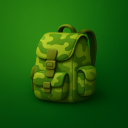
The bag itself matters. Requirements:
- Water-resistant material. Nylon or polyester with water-resistant coating. Not waterproof (those bags trap condensation and moisture), but resistant enough to survive rain.
- Padded shoulder straps. If you are walking for miles, unpadded straps will cut into your shoulders within 30 minutes.
- External attachment points. MOLLE webbing, compression straps, or carabiner loops for attaching sleeping bags, water bottles, or additional gear.
- Multiple compartments. Organization is critical when you need to find medications, a flashlight, or ID in the dark.
- 40-65 liter capacity. Smaller bags force painful prioritization. Larger bags encourage over-packing.
A quality hiking backpack in the 45-55 liter range is ideal. Military surplus packs (MOLLE II, ALICE) are durable and affordable alternatives.
Category 1: Water and Water Purification
Water is the highest priority. You can survive three weeks without food. You cannot survive three days without water, and in hot conditions, dehydration can become dangerous within hours.
What to Pack
- Water supply: 1 liter per person per day, minimum — so 3 liters per person for a 72-hour bag. Water is heavy (1 liter = 2.2 pounds), so this is 6.6 pounds per person in water alone.
- Collapsible water containers: Platypus-style soft bottles or water bladders that pack flat when empty and expand to 2-3 liters when filled. These supplement your fixed supply when you find a water source.
- Water purification tablets: Chlorine dioxide tablets (like Aquamira or Katadyn Micropur) treat contaminated water in 30 minutes. Pack enough for 10-15 liters.
- Portable water filter: A Sawyer Squeeze or LifeStraw filters bacteria and protozoa from natural water sources. Weighs 2-3 ounces and filters up to 100,000 gallons.
Water Tips
- Rotate stored water every 6 months. Commercially bottled water has a longer shelf life, but stored tap water should be replaced regularly.
- Never ration water in a survival situation. If you are thirsty, drink. Rationing leads to dehydration, which impairs decision-making — exactly when you need clear thinking most.
Category 2: Food and Nutrition
You need approximately 2,000 calories per person per day. For three days, that is 6,000 calories per person. Focus on calorie-dense, shelf-stable, and no-cook options.
What to Pack
- Energy bars: Clif Bars, Larabars, or equivalent. High calorie density (200-300 calories per bar), lightweight, no preparation needed. Pack 6-9 per person.
- Trail mix and nuts: Calorie-dense (160-180 calories per ounce), long shelf life, no preparation required.
- Freeze-dried meals: Mountain House or Peak Refuel single-serving pouches. Require boiling water but provide complete meals (500-700 calories per pouch). Pack 2-3 per person as a morale-boosting upgrade from cold bars.
- Peanut butter packets: Individual-serving packets (190 calories each) are lightweight and pack enormous nutritional value.
- Electrolyte packets: Liquid IV, Drip Drop, or similar. Dehydration often involves electrolyte loss. Mix with water.
Food Tips
- Check expiration dates quarterly. Energy bars and nuts have 12-18 month shelf lives. Freeze-dried meals last 25+ years but are bulkier.
- Include foods you actually like eating. Emergency situations are stressful enough without choking down food you find disgusting.
- Pack for dietary restrictions. If someone in your household is gluten-free, diabetic, or has allergies, the go-bag must accommodate that.
Category 3: Shelter and Warmth
Exposure — hypothermia in cold weather, hyperthermia in heat — kills faster than dehydration. Your bag needs basic shelter and temperature management.
What to Pack
- Emergency bivvy or space blanket: SOL Emergency Bivvy (weighs 3.8 oz) reflects 90% of body heat. Far superior to the cheaper crinkly space blankets, which tear easily and cannot be closed around you.
- Lightweight tarp: A 7x9 foot nylon tarp (weighs 12-16 oz) with 50 feet of paracord provides overhead rain protection and wind shelter. Practice setting it up before you need it.
- Change of clothes: One complete outfit sealed in a large Ziploc bag to keep it dry. Include underwear, socks (two pairs — wet feet cause blisters within hours), a base layer, and a weather-appropriate outer layer.
- Rain poncho: A basic disposable rain poncho weighs 2 ounces and prevents the misery of wet clothing in rain. Pack two.
- Hand and body warmers: Chemical warmers (HotHands brand or similar) provide 8-12 hours of heat. Pack 4-6 per person for cold weather scenarios.
Category 4: First Aid and Medications
What to Pack
- First aid kit: A pre-assembled kit (Adventure Medical Kits makes good compact options) that includes adhesive bandages (various sizes), sterile gauze pads and rolls, medical tape, antiseptic wipes, antibiotic ointment (Neosporin), tweezers, moleskin for blisters, SAM splint, and an ACE bandage wrap.
- Prescription medications: A 7-day supply of every prescription medication taken by anyone in your household. Rotate this supply monthly — replace the bag supply with fresh medications and use the older supply for your daily doses.
- Over-the-counter medications: Ibuprofen (pain/inflammation), acetaminophen (pain/fever), diphenhydramine/Benadryl (allergies/sleep), loperamide/Imodium (diarrhea), antacids, and any other OTC medications your family uses regularly.
- Personal medical supplies: EpiPens, inhalers, insulin and syringes (with cold packs), glucose tablets, blood pressure cuff — whatever your household requires.
Critical Warning
Medications are the most commonly forgotten and most commonly expired items in go-bags. Set a calendar reminder — the first of every month — to check medication supplies and expiration dates. An expired EpiPen or outdated insulin in a go-bag is worse than no medication at all because it creates false confidence.
Category 5: Documents and Identification
In a disaster, proving who you are and what you own becomes critically important for accessing insurance, government assistance, financial accounts, and medical care.
What to Pack
- Photocopies of identification: Driver’s licenses, passports, Social Security cards (front and back). Store in a waterproof document bag.
- Insurance documents: Copies of health insurance cards, homeowner’s/renter’s insurance policy numbers and contact information, auto insurance cards.
- Financial information: Bank account numbers, credit card numbers and customer service phone numbers (in case cards are lost or need to be reported stolen), a small amount of cash (at least $200 in small bills — ATMs and card readers do not work without power).
- Medical information: A printed card listing allergies, blood type, medications, conditions, and emergency contacts for every household member.
- Emergency contacts: A printed list of phone numbers for family, friends, doctor, insurance agent, and employer. When your phone battery dies, you need these numbers on paper.
- Property documentation: Copies of your lease or mortgage documents. Photos of valuables for insurance claims (stored on a USB drive alongside the printed copies).
Digital Backup
Store encrypted copies of all documents on a USB flash drive in your go-bag. Survivalist provides survival and emergency preparedness guidance on your iPhone, including tips on document preparation and emergency planning.
Category 6: Tools and Equipment
- Flashlight and headlamp: LED headlamp (hands-free lighting) plus a compact handheld flashlight. Pack extra batteries.
- Multi-tool: A Leatherman or Swiss Army knife with pliers, knife blade, screwdriver, can opener, and wire cutter.
- Fire-starting supplies: Waterproof matches, a BIC lighter, and a ferrocerium rod. Three methods ensures you can always start a fire.
- Duct tape: Wrap 20 feet around a pencil or old credit card to save space. Duct tape repairs clothing, shelters, gear, and makes improvised bandages.
- Whistle: A plastic pea-less whistle (like the Fox 40) produces 115+ decibels for signaling rescuers. Three blasts is the universal distress signal.
- Portable battery/power bank: A 20,000 mAh battery pack charges a phone 4-5 times. Include charging cables for every device in your household.
- Solar charger: A foldable solar panel (Anker or similar, 15-20 watts) provides renewable charging capability when grid power is unavailable for extended periods.
- AM/FM/NOAA weather radio: A hand-crank emergency radio provides weather alerts and emergency broadcasts when cell networks are down. The Eton or Midland models include a flashlight and USB charger.
Category 7: Hygiene and Sanitation
Often overlooked but critical for health and morale over 72 hours:
- Toilet paper: A compressed roll or flat-packed travel tissues.
- Hand sanitizer: A 4-ounce bottle.
- Biodegradable wet wipes: For body cleaning when showers are unavailable.
- Toothbrush and small toothpaste.
- Menstrual supplies: If applicable. Sufficient for 72+ hours.
- Trash bags: Heavy-duty 30-gallon bags serve as rain covers, ground cloths, improvised ponchos, and waste disposal.
- Ziplock bags: Various sizes for organizing small items and keeping things dry.
Seasonal and Regional Adjustments
Hot Climate / Summer Additions
- Extra water (increase from 1 liter to 1.5 liters per person per day).
- Sunscreen (SPF 30 minimum).
- Wide-brimmed hat.
- Insect repellent (DEET-based for tick and mosquito zones).
- Lightweight, light-colored clothing.
- Cooling towels.
Cold Climate / Winter Additions
- Insulated water bottles (prevent freezing).
- Additional thermal layers (merino wool base layer, fleece mid-layer).
- Insulated hat and gloves.
- Additional hand and body warmers.
- Compact sleeping bag rated to 20°F or appropriate for your region.
Hurricane / Flood Zone Additions
- Waterproof document bag (redundant with the standard bag, but extra protection warranted).
- Inflatable personal flotation device.
- Waterproof phone case.
- Additional cash (flooding knocks out power for days to weeks).
Earthquake Zone Additions
- Heavy-duty work gloves (for clearing debris).
- Dust masks / N95 respirators.
- Pry bar or small crowbar.
- Sturdy closed-toe shoes (tied to the outside of the bag if not being worn — broken glass is the leading cause of post-earthquake injuries).
Family-Specific Additions
Infants and Toddlers
- Formula and bottles (if not breastfeeding). Enough for 72 hours.
- Diapers (minimum 24), wipes, and diaper cream.
- A comfort item (small stuffed animal, blanket).
- Infant medications (gripe water, infant Tylenol).
- An extra set of clothing.
School-Age Children
- Small activity (coloring book and crayons, deck of cards, small puzzle).
- A comfort item.
- Any required medications.
- A printed card with the child’s name, parents’ names, phone numbers, address, and medical information — in case of separation.
Elderly Family Members
- Magnifying glass (for reading medication labels, maps, and small print without prescription glasses).
- Additional prescription medication supply (7-day minimum, 14-day preferred).
- Mobility aids or assistive devices.
- Hearing aid batteries.
- Written instructions for any medical equipment.
Pets
- 72 hours of pet food in sealed containers.
- Collapsible water bowl.
- Leash and collar with ID tags.
- Copies of vaccination records (many shelters require proof of rabies vaccination).
- Any pet medications.
- A small carrier for cats or small dogs.
The Maintenance Schedule
A go-bag that sits in a closet for three years is a bag full of expired medications, dead batteries, and stale food. Maintenance is not optional.
Monthly (5 minutes)
- Check and rotate prescription medications.
- Verify phone charger cables work.
- Ensure the power bank is charged to at least 50%.
Quarterly (15 minutes)
- Check food expiration dates. Replace anything expiring within 3 months.
- Test flashlights and headlamp. Replace batteries if dim.
- Check water supply. Replace stored water if older than 6 months.
- Update cash supply if you used some.
- Review and update emergency contact list if any numbers changed.
Annually (30 minutes)
- Full inventory check against this checklist.
- Replace all batteries regardless of current condition.
- Update photocopies of identification and insurance if anything changed.
- Swap seasonal clothing for the upcoming season.
- Review the bag’s contents against your family’s current needs (new baby, child aged up, new medication, new pet).
For a deeper dive into the survival skills that complement a prepared go-bag, see the guide to emergency preparedness and essential survival skills.
The best time to build a go-bag was before the last emergency in your region. The second-best time is today. Start with Categories 1-3 (water, food, shelter) — those items cost under $50 and address the most critical survival needs. Add Categories 4-7 over the following weeks as budget allows. Within a month, you will have a bag that transforms a 72-hour crisis from a life-threatening emergency into a manageable inconvenience. That transformation — from vulnerable to prepared — takes one afternoon of shopping, one hour of packing, and five minutes of maintenance each month.